
You have probably heard the saying: weak dollar, strong gold. In practice, when the US dollar loses value against other currencies, gold prices (usually quoted in dollars) often rise. For buyers and sellers of gold in India, the link does not stop there: the gold rate in rupees depends on both the dollar price of gold and the rupee–dollar exchange rate. So a weak dollar can push up the international gold price, and if the rupee also weakens against the dollar, the rupee gold rate can move even more. This guide explains how dollar strength affects gold, how that shows up in the gold rate in India, and how to use the current rate in our gold karat calculator for accurate jewellery and investment calculations.
Why the dollar and gold move in opposite directions
Gold is traded globally in US dollars. When the dollar weakens (loses value against a basket of other currencies), it takes more dollars to buy the same amount of gold—so the dollar price of gold tends to rise. Conversely, when the dollar strengthens, the dollar price of gold often falls. There are two main reasons. First, purchasing power: gold is seen as an alternative store of value to the dollar; when confidence in the dollar falls, demand for gold rises. Second, cost for non-US buyers: when the dollar is weak, buyers using euros, yen, or rupees need to spend less of their own currency to get one dollar, so dollar-priced gold becomes relatively cheaper for them—which can increase demand and push the dollar price of gold up further. So the inverse relationship between the dollar and gold is both a cause and an effect of global demand and sentiment.
How the rupee fits in: two drivers of the India gold rate
The gold rate in India (in ₹ per gram for 24K, 22K, etc.) is not set in isolation. It is derived from: (1) the international price of gold in US dollars (e.g. per troy ounce or per gram), and (2) the rupee–dollar exchange rate (how many rupees you need to buy one US dollar). So when the dollar price of gold goes up, the rupee gold rate tends to go up. When the rupee weakens against the dollar (USD/INR rises), you need more rupees to buy the same dollar amount of gold—so the rupee gold rate rises even if the dollar price of gold is unchanged. When the dollar weakens, the dollar price of gold often rises; if the rupee also weakens against the dollar, the rupee gold rate can rise sharply. That is why in periods of a weak dollar and a weak rupee, Indian gold buyers often see very high gold rates in ₹/gram.
Local factors—demand during festivals and weddings, import duties, and premiums charged by dealers—also affect the final rate you see. But the two main drivers are the dollar price of gold and the USD/INR rate. Keeping an eye on both helps you understand why the gold rate is moving and when to use the current rate in your calculator.
What "weak dollar" and "strong gold" mean in practice
A weak dollar usually means the US dollar index (DXY) is falling or the dollar is losing value against major currencies (euro, yen, etc.). That often happens when US interest rates are cut, when there are concerns about US debt or growth, or when other central banks tighten policy. Strong gold means the dollar price of gold is rising—and, as we saw, that often goes hand in hand with a weak dollar. For India, the important question is: what is the gold rate per gram today in rupees? That number already reflects the latest dollar gold price and the latest USD/INR rate. So when you read headlines like "dollar weakens, gold hits new high," you can expect that the rupee gold rate may also be high or rising—and you should use that current rate in your gold karat calculator rather than an old rate.
- Weak dollar → often higher dollar price of gold → tends to push rupee gold rate up.
- Weak rupee (vs dollar) → more rupees needed to buy dollar-priced gold → rupee gold rate up.
- Weak dollar + weak rupee together → can mean a big jump in the gold rate in India.
- Strong dollar → often lower dollar price of gold → can pull rupee gold rate down, unless the rupee weakens even more.
Using the current gold rate in your calculator
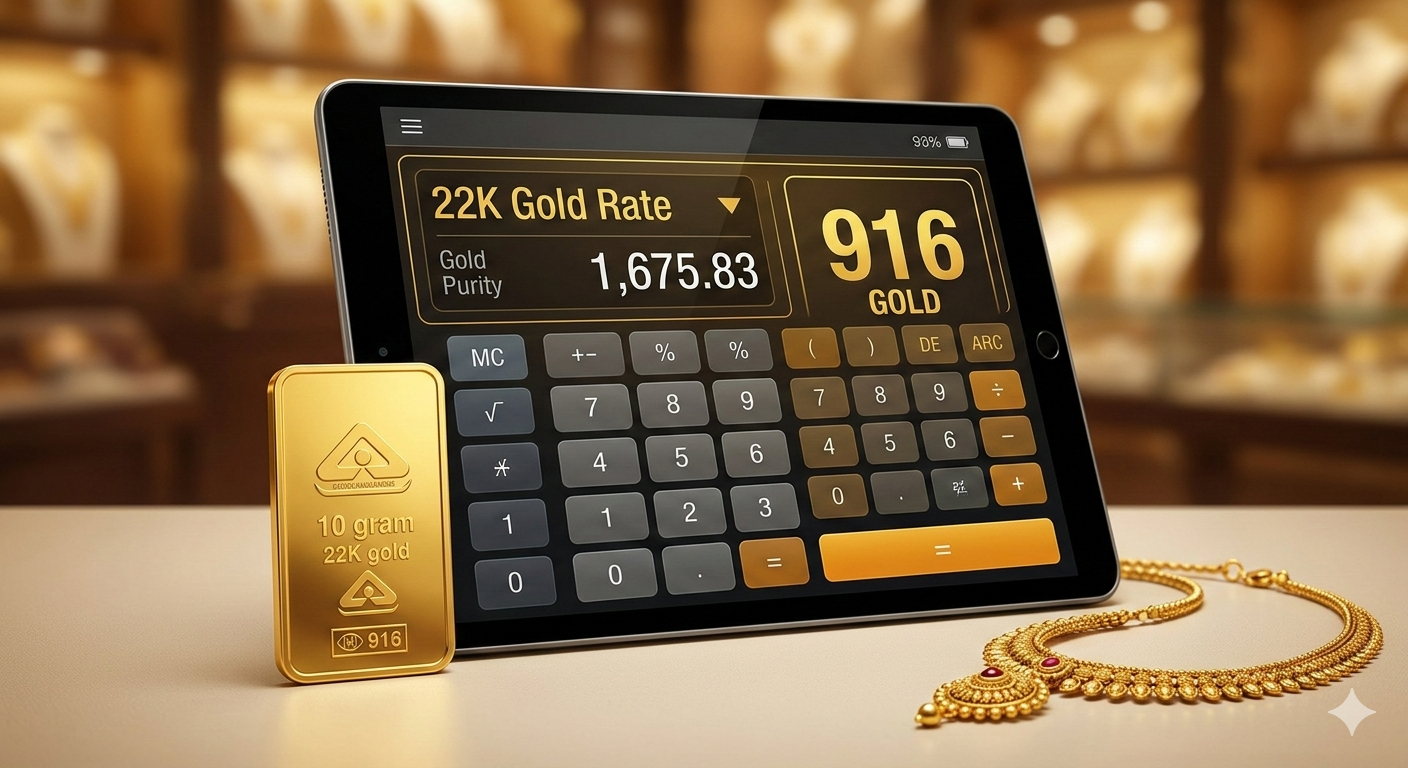
Whether the dollar is weak or strong, the gold rate you use in our calculator should always be the current rate for your karat (22K, 24K, etc.) on the day you are valuing or buying. When the dollar and gold are moving a lot, the rupee gold rate can change significantly in a few days. Using an outdated rate can make your gold value estimate too high or too low. Get the rate from your jeweller, from a reliable domestic source (e.g. MCX, RBI, or a trusted price portal), and enter it into the gold karat calculator along with the weight and purity. The calculator will give you the gold value; if you are estimating a full jewellery price, add making charges and GST as usual. That way, your total reflects the real cost or value at today’s weak-dollar (or strong-dollar) influenced rate.
Weak dollar, strong gold—and often a higher gold rate in India. Always use the current rate in your gold karat calculator so your estimate reflects today’s market.
— Gold Karat Calculator
When the dollar strengthens again
If the US dollar strengthens (e.g. on higher US interest rates or stronger US growth), the dollar price of gold often comes off. The rupee gold rate may then fall—unless the rupee weakens against the dollar at the same time, in which case the two effects can partly cancel out or the rupee rate may still rise. So the gold rate in India does not always move in lockstep with the dollar; it depends on both the dollar price of gold and USD/INR. As a jewellery buyer or seller, the takeaway is simple: check the current gold rate in rupees whenever you are about to make a calculation or a deal, and feed that rate into your calculator. That keeps your numbers accurate whether the headline is weak dollar or strong dollar.
Summary
A weak US dollar typically supports a higher dollar price of gold. The gold rate in India (₹/gram) depends on both that dollar price and the rupee–dollar exchange rate: a weak rupee adds to the rupee cost of gold. So "weak dollar, strong gold" often means a higher gold rate in India. Use the current gold rate for your karat in our gold karat calculator whenever you value or price gold jewellery, so your estimate reflects today’s market.